
Roller Replacement in Roeland Park
Roller Replacement for Roeland Park's Older Doors
Roeland Park homes date to 1950, a decade older than most of the territory. We replace steel and nylon rollers to match that older hardware, traveling 10 miles from Lenexa.
- Licensed & Insured
- Same-Area Service Calls
- Upfront Pricing
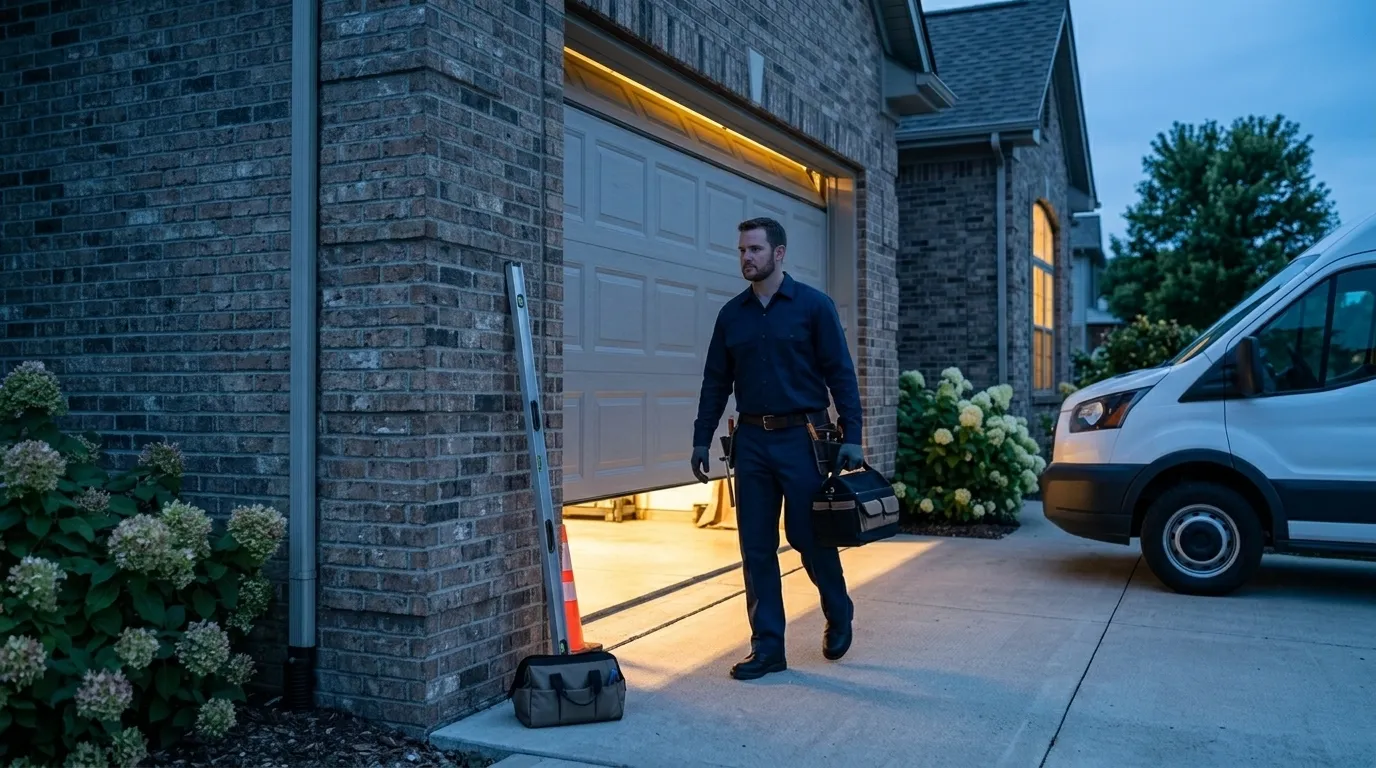
What Happens When You Call
-
1
Call or Request a Quote
Tell us what the door is doing and roughly how old the house is - that alone points us toward the likely part before a truck leaves.
-
2
On-Site Diagnosis
A tech checks the spring, cables, tracks, and opener in person and tells you plainly what is actually wrong.
-
3
Straight Price, No Surprises
You get a number before any work starts. It covers parts and labor, nothing added after the fact.
-
4
Fixed the Same Visit
Most repairs are done in one trip. If a part needs sourcing, we tell you that upfront instead of guessing.
What the Repair Takes
Most of Roeland Park went up around 1950, a good three decades ahead of the 1980 median for the rest of the territory we cover. That matters before we even talk about what's broken.
A door built for a house from that era is usually a single layer of steel, no insulation sandwiched inside, hung on a track sized for hardware nobody's made in decades. The rollers on those original setups are stamped steel, not the sealed nylon-and-ball-bearing units that showed up on doors built from the mid-1980s onward.
Swapping rollers on a door like that isn't a ten-minute job you can rush. We pull the door off its cables, work each hinge loose, slide the old rollers out of the track, and check the track itself for the kind of wear you get from fifty-plus years of steel scraping steel.
If the track is bent or the roller channel has worn oval instead of round, new rollers alone won't fix the noise or the binding. We're driving in from Lenexa, about 10 miles out, so we bring both steel and nylon stock rather than guess which one your door needs and make a second trip.
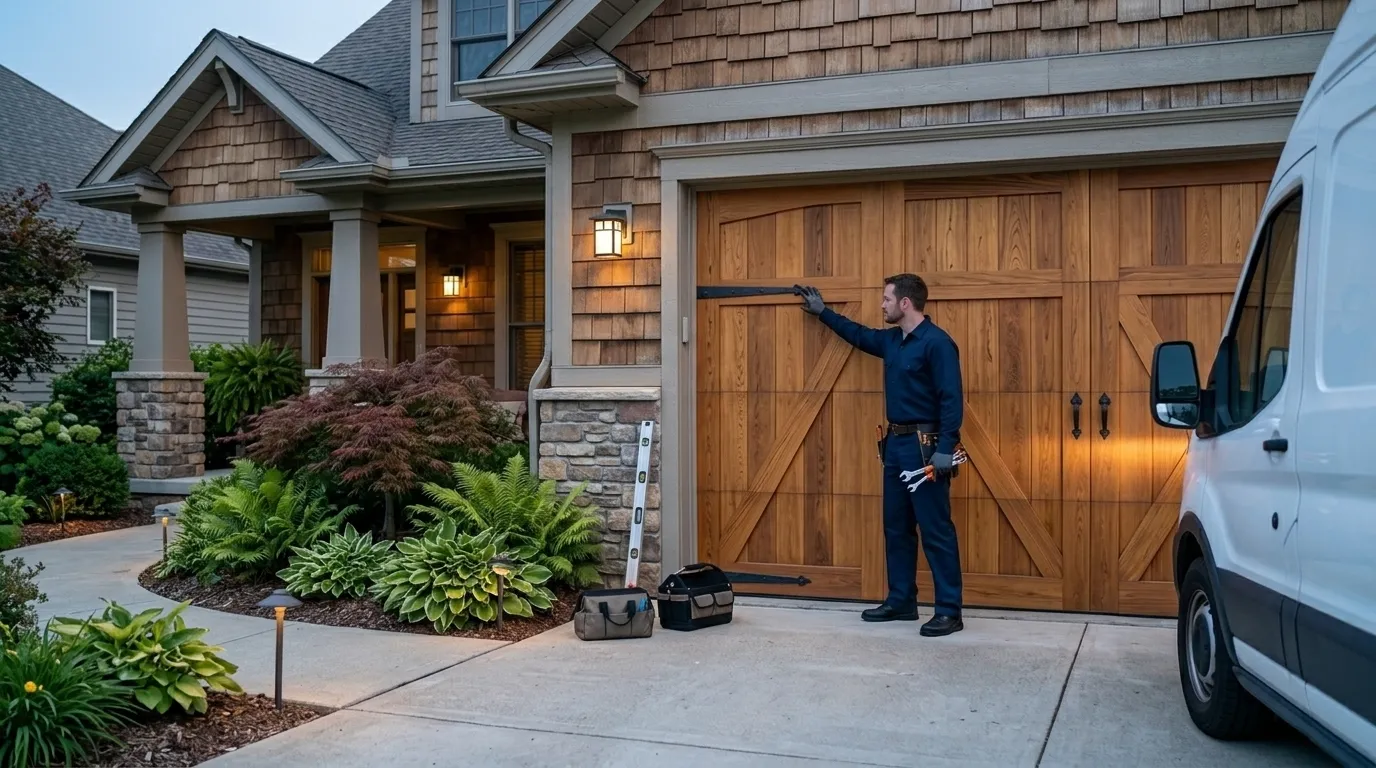
The Complications
The complication with a 1950-built door is almost never the roller by itself. It's what the roller has been running in.
Steel track that's carried steel rollers for that long develops grooves and rust pitting that a fresh roller will ride into within a few months, so the fix looks solved and then isn't. We check the track alignment and the hinge holes for elongation before we commit to just swapping rollers.
The other complication is the door's own weight. Single-layer steel doors from that period are heavier per square foot than the insulated steel and aluminum doors built later in the service area's 1950-2004 range, which means the spring system is doing more work to hold that weight, and a roller job can expose a spring that's already near the end of its life. We won't sell you a roller replacement and ignore a spring that's about to go - we'll tell you if that's what we're seeing, even if it means a bigger conversation than the one you called about.
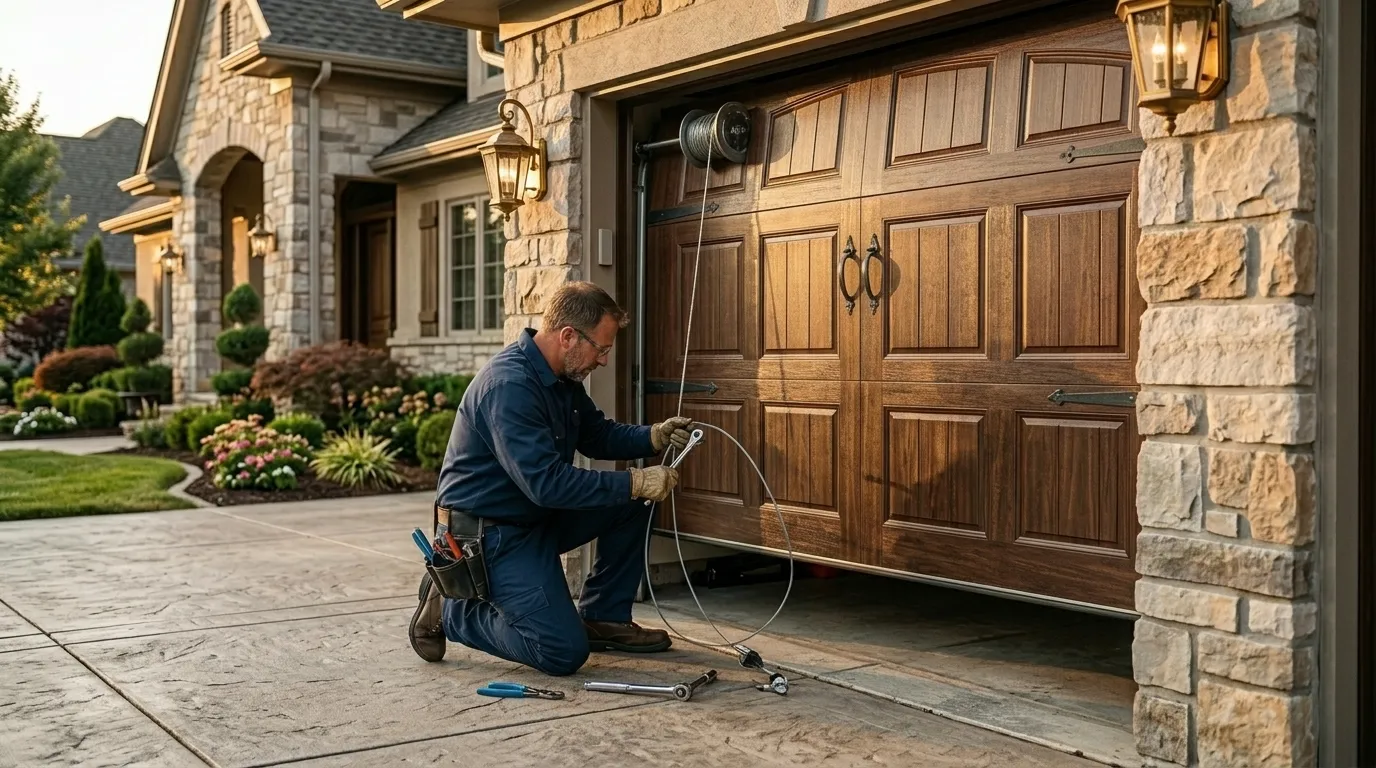
Parts We Carry
We stock two roller types on the truck for exactly this reason: sealed nylon rollers with ball bearings for anything built to modern spec, and steel rollers sized for the older track common in a neighborhood built around 1950. A house from that era with original hardware usually needs the steel version, or a track retrofit if you want to move to nylon and cut down on the grinding noise.
We don't stock every obsolete part on the truck - some of the original hardware from doors that old is no longer made, and if your track or hinges are that far gone, we'll tell you replacement makes more sense than trying to match parts that don't exist anymore. That's not us upselling; it's the honest math on a fifty-plus-year-old track system.
The DIY Question
Rollers look like a part you could swap yourself, and on some doors they are. The catch in Roeland Park specifically is the age of the track. Pulling old steel rollers out of track that's rusted or grooved often means the new rollers won't seat cleanly without also adjusting or replacing sections of track, and that's a job with the door under spring tension - not something to learn on a Saturday.
If your door was built well after 1950, closer to the newer end of the service area's range, a roller swap is more straightforward and a confident DIYer can manage it with the door propped and the springs left alone. But if you're not sure how old your hardware is, or the door came with the house and hasn't been touched, that's worth a look before you start pulling pins.
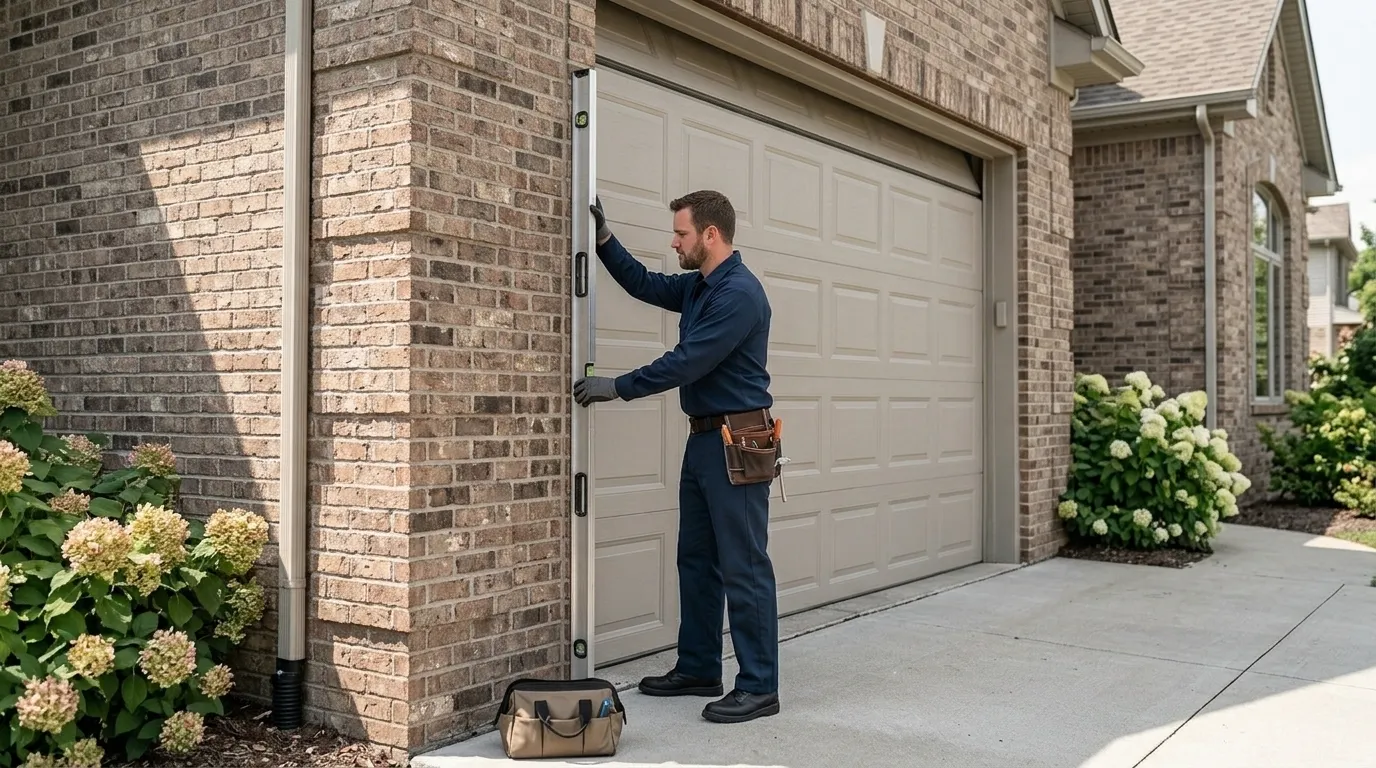
Talk to a Roeland Park Technician First
Describe what the door is doing and get a straight answer on what it likely needs.
Other Garage Door Services in Roeland Park
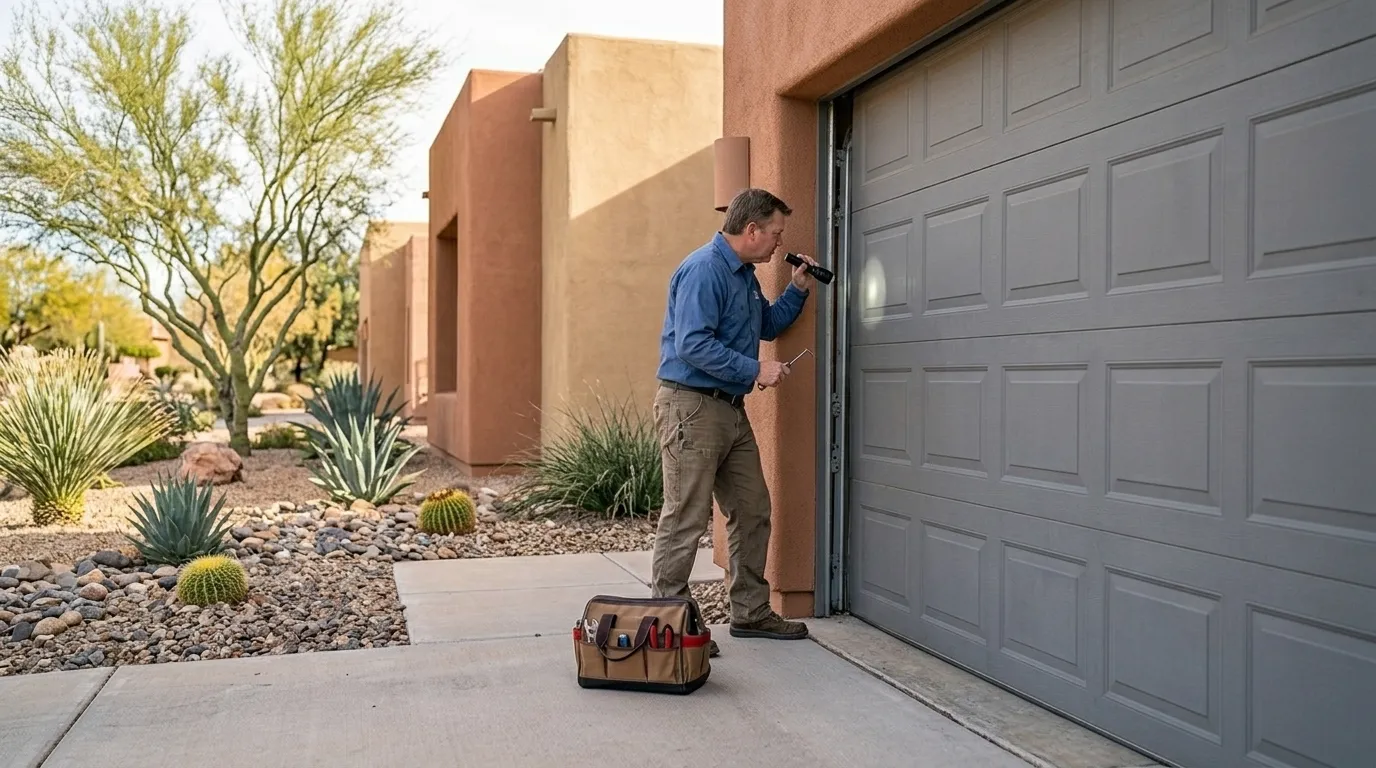
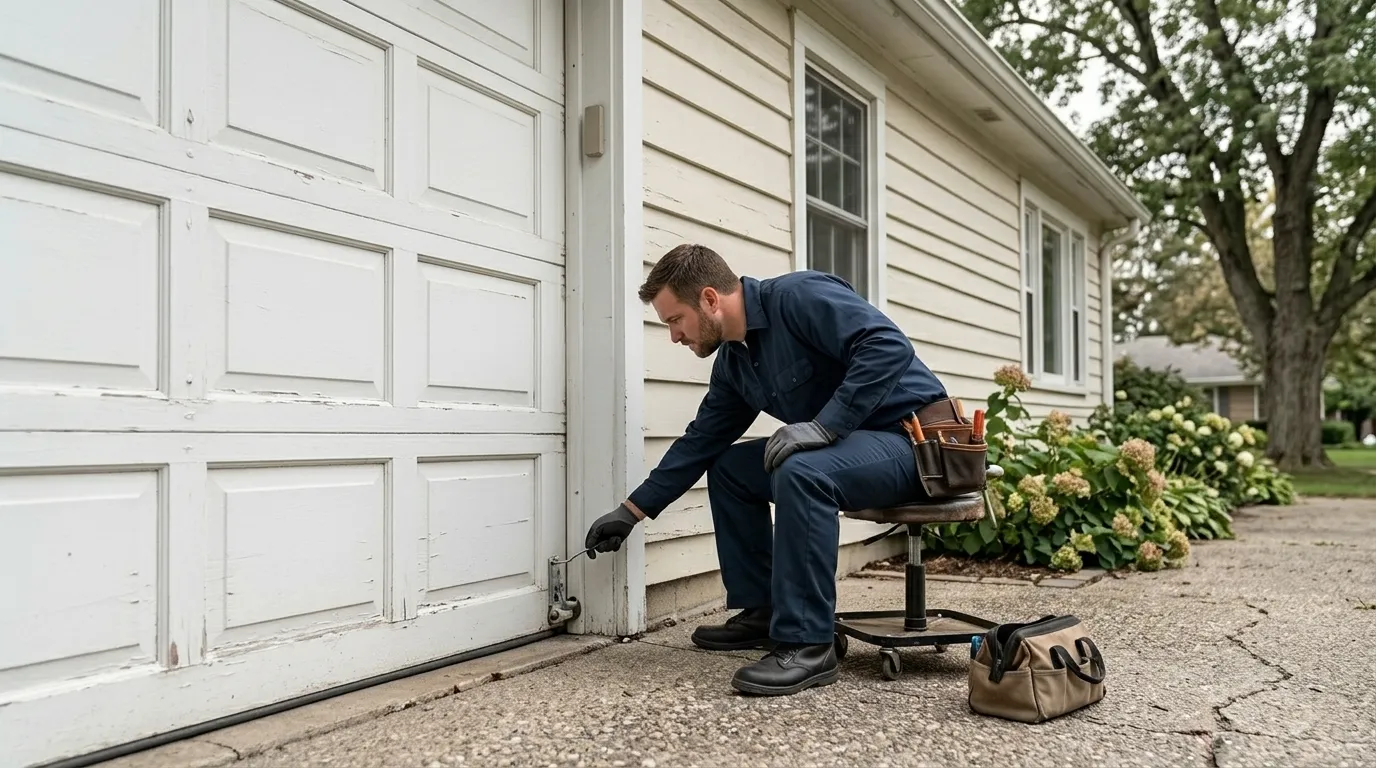
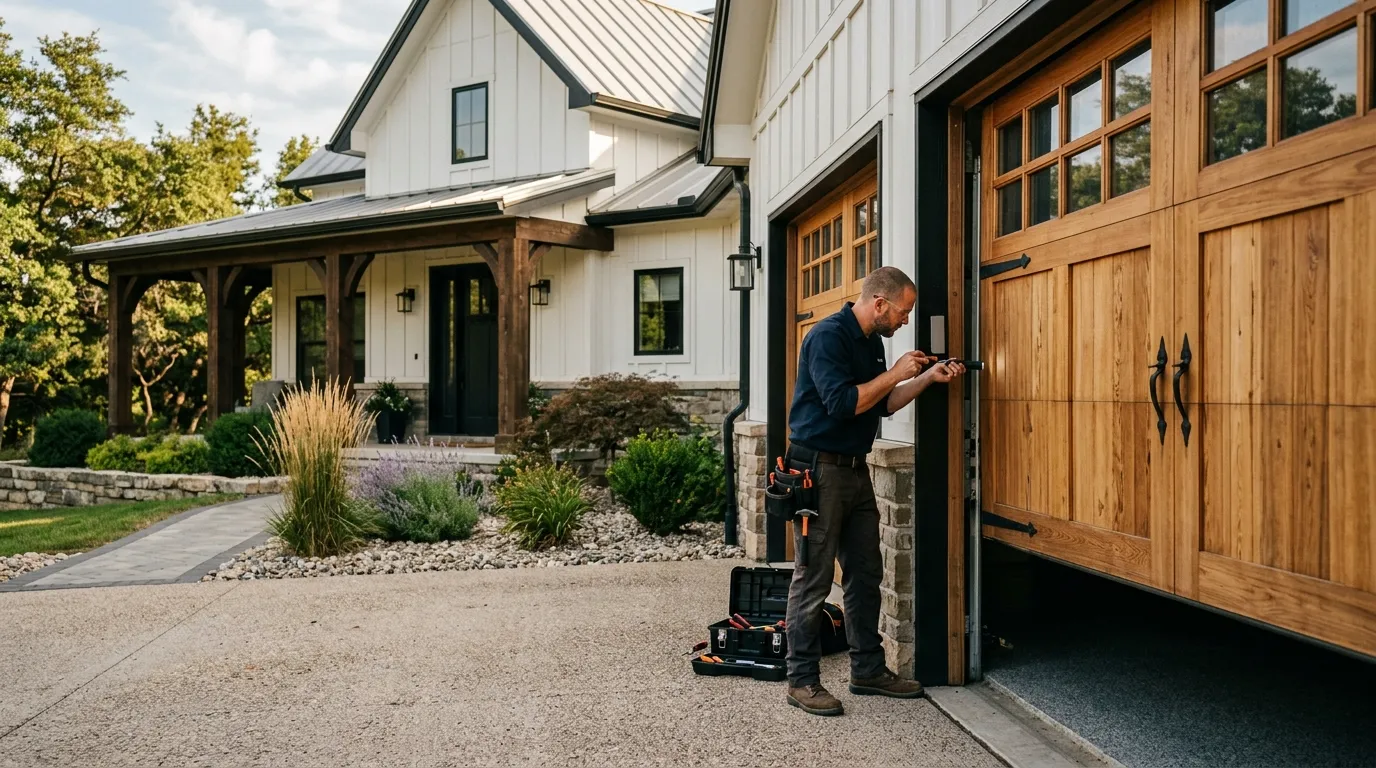
Recent Work in Roeland Park
A look at jobs our crew has been on nearby.
Why Roeland Park Calls Us
Frequently Asked Questions
Why does the roller type matter for a house built in 1950?
Doors from that period were built with steel track and steel rollers, not the sealed nylon rollers used on doors from the 1980s and later. Putting nylon rollers into old, worn steel track usually doesn't solve the noise, because the track itself has grooved over decades of use. We check the track before recommending a roller type.
Do you have a shop in Roeland Park?
No. We're based in Lenexa and drive out to Roeland Park, about 10 miles, to do the work. We carry both steel and nylon roller stock on the truck so we're not guessing which one your door needs before we arrive.
Can I just replace the rollers myself?
On a newer door, often yes. On an older Roeland Park door with original steel track, the rollers usually aren't the whole problem - the track has worn too, and swapping rollers alone can leave the noise and binding unresolved. We'd rather tell you that upfront than sell you a partial fix.
What if my track can't be matched to new rollers?
Some 1950s-era hardware isn't made anymore. When that's the case, we'll say so rather than force a part that won't seat right. Sometimes the honest answer is a track section replacement instead of a roller-only repair.
Need Roller Replacement in Roeland Park?
Call now for straight answers on cost and timing.