
Lenexa Garage Door Guide
What Lenexa's Housing Age and Winters Do to a Garage Door
Lenexa homes mostly date to the 1980s and 90s, in a cold moderate climate that works hardware hard every winter. Here's what actually breaks, and when to call.
- Licensed & Insured
- Same-Area Service Calls
- Upfront Pricing
What the Weather Here Does to It
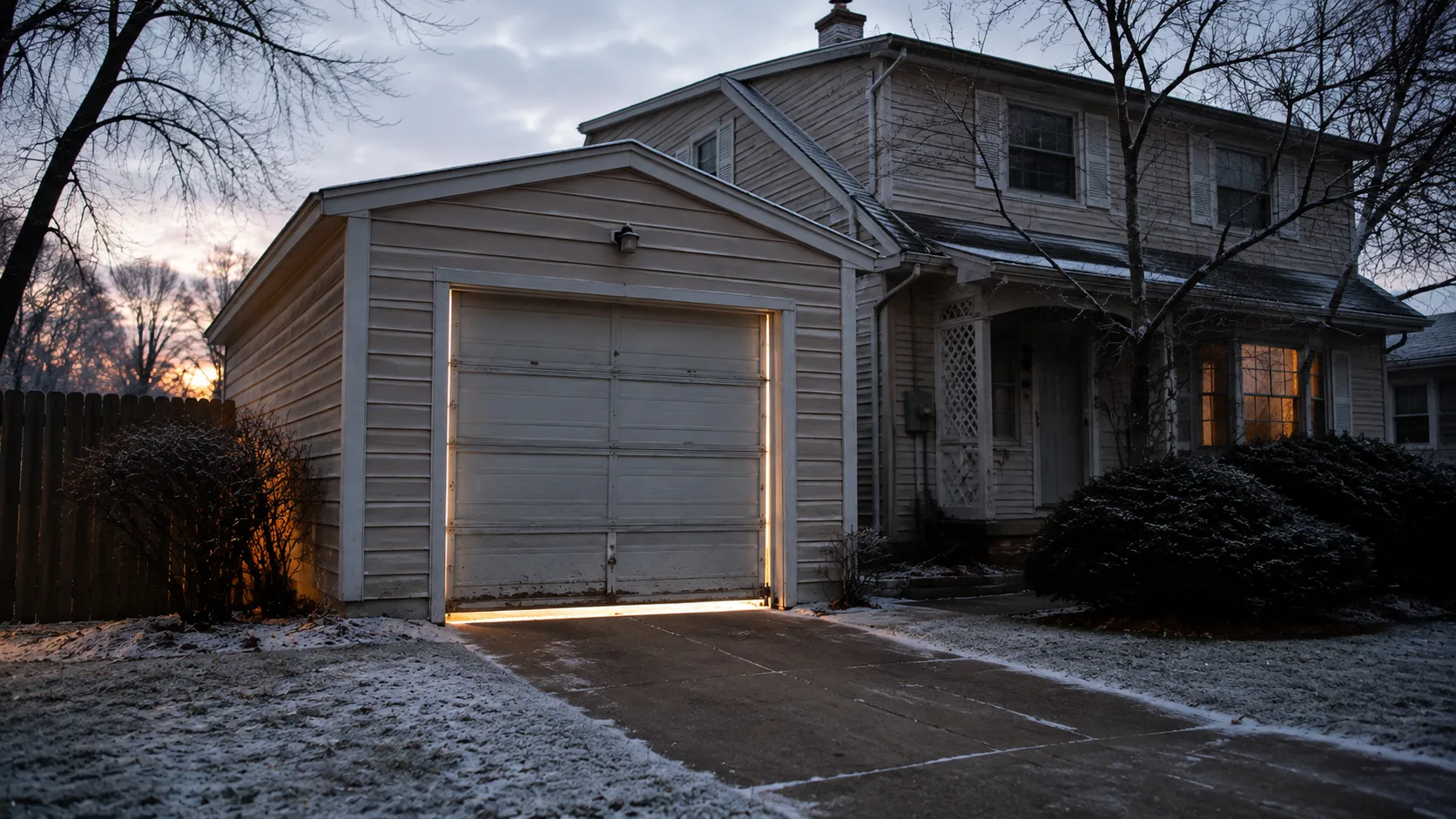
Lenexa sits in a cold moderate climate band, which sounds mild until you think about what it actually means for a garage door: real freeze-thaw cycling, most winters, not just one bad week. Steel track brackets contract in the cold and expand again once the sun hits the driveway, and that repeated movement works screws loose and throws tracks out of plumb over the years. Torsion springs lose a little tension every cycle they wind and unwind, and cold makes the coil metal stiffer and more prone to snapping under load rather than stretching.
Most houses across this service area were built between 1950 and 2004, with the median landing around 1980, and the bulk of the stock across the 19 named areas here dates to the 1980s and 90s. That matters because a lot of those original doors and openers are still in place, running on hardware that was never rated for forty-plus years of seasonal cycling. Weatherstripping on doors from that era has usually gone brittle and split at the corners, which lets cold air track along the bottom panel and adds condensation load to steel sections that were never insulated to a modern standard.
None of this is dramatic. It's slow wear that shows up as a stiffer door, then a noisy one, then one that won't open at all on the coldest morning of the year.
When to Get Help
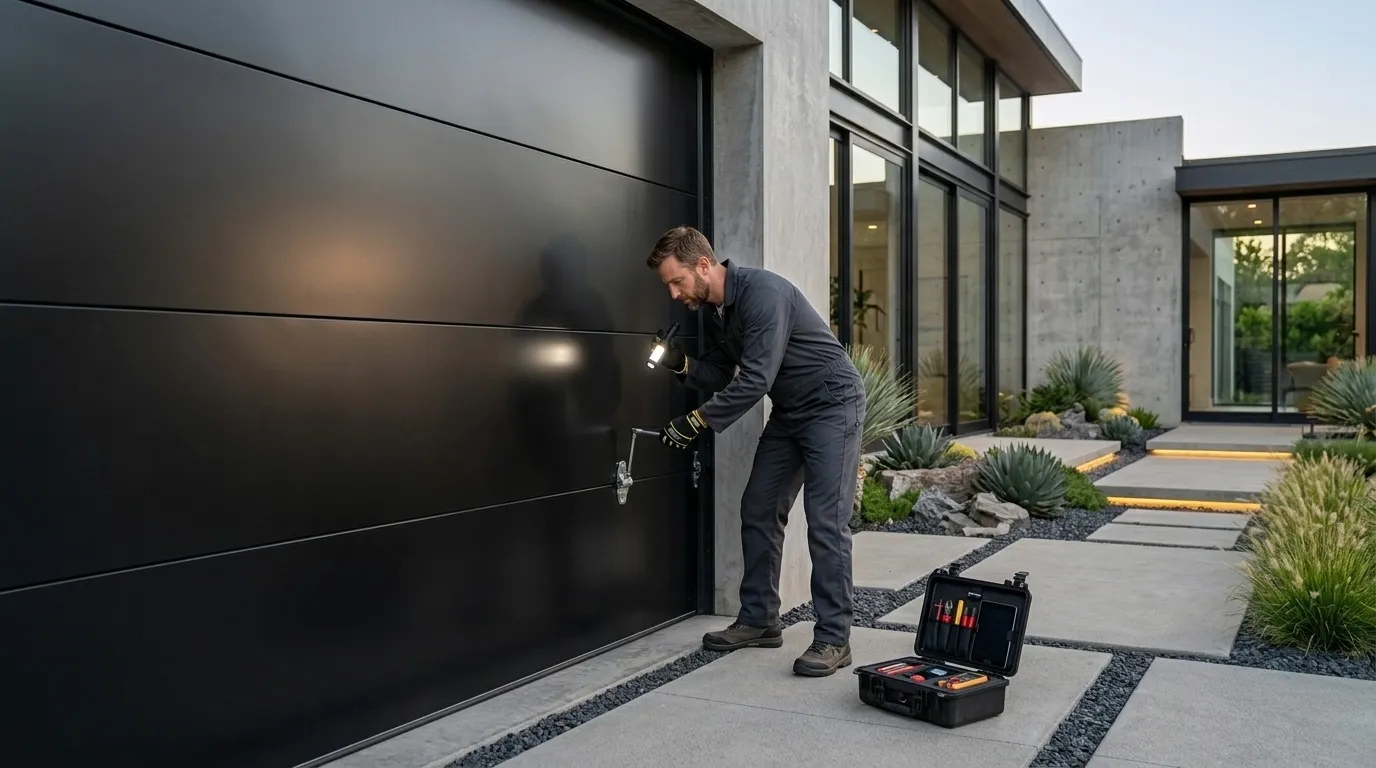
On a door from the 1980s or 90s stock that's common here, the warning signs are usually mechanical, not electrical. A track that binds only in the first cold snap of the season, then loosens up once things warm, is telling you the alignment has already shifted and the cold is just exposing it.
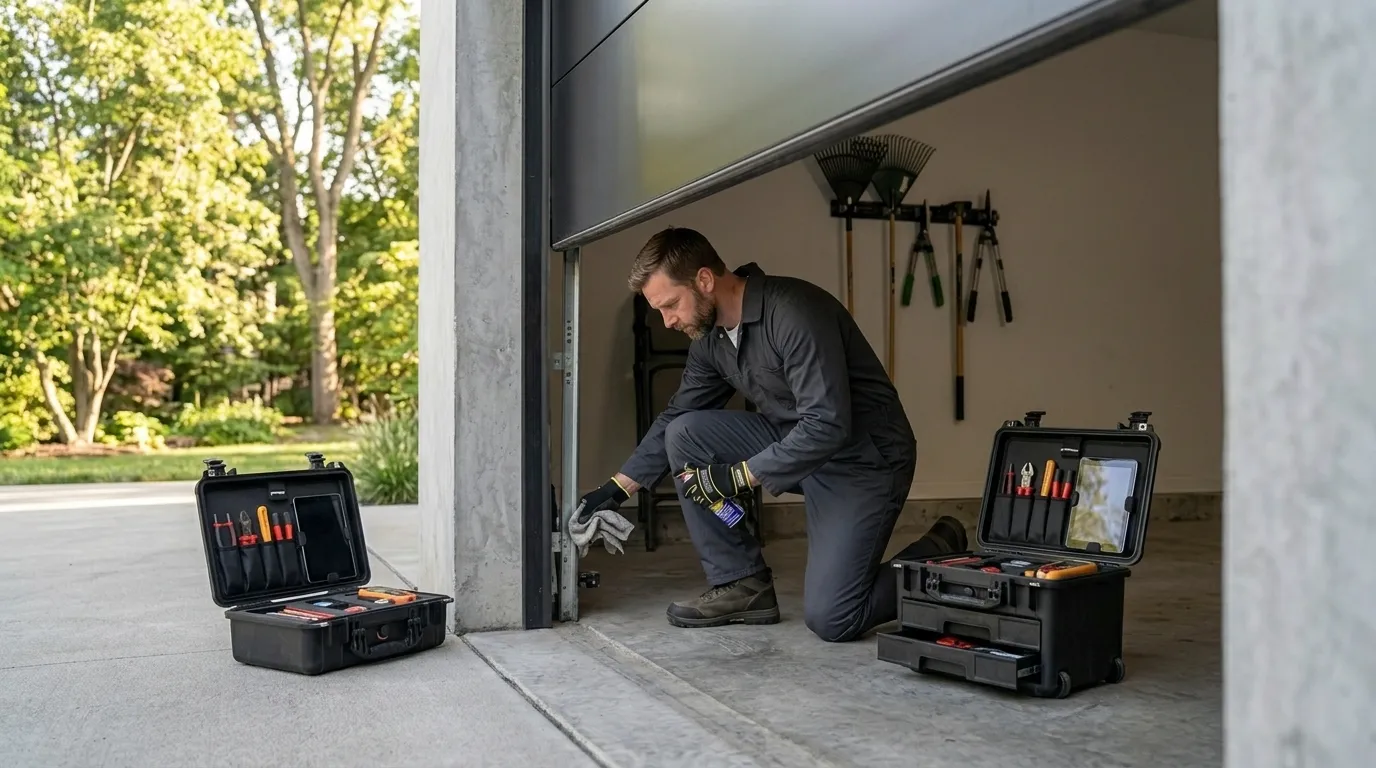
A spring that's visibly stretched with a gap between coils, or one that makes a bang and then the door gets heavy to lift by hand, has failed or is about to. Cables fraying at the bottom bracket are a call-now item, not a wait-and-see one, because a snapped cable under a loaded spring can whip.
If your opener is original to a house built in that mid-century-to-2000s window, don't wait for total failure to have it looked at. Motors from that era weren't built with the diagnostic boards modern units have, so when they start slipping or reversing at random, it's often the last stage before they stop responding at all. A door that reverses immediately after touching the floor, every time, points to a sensor or limit issue that's worth a call before you keep forcing it through a cycle it isn't clearing.
The Common Mistake
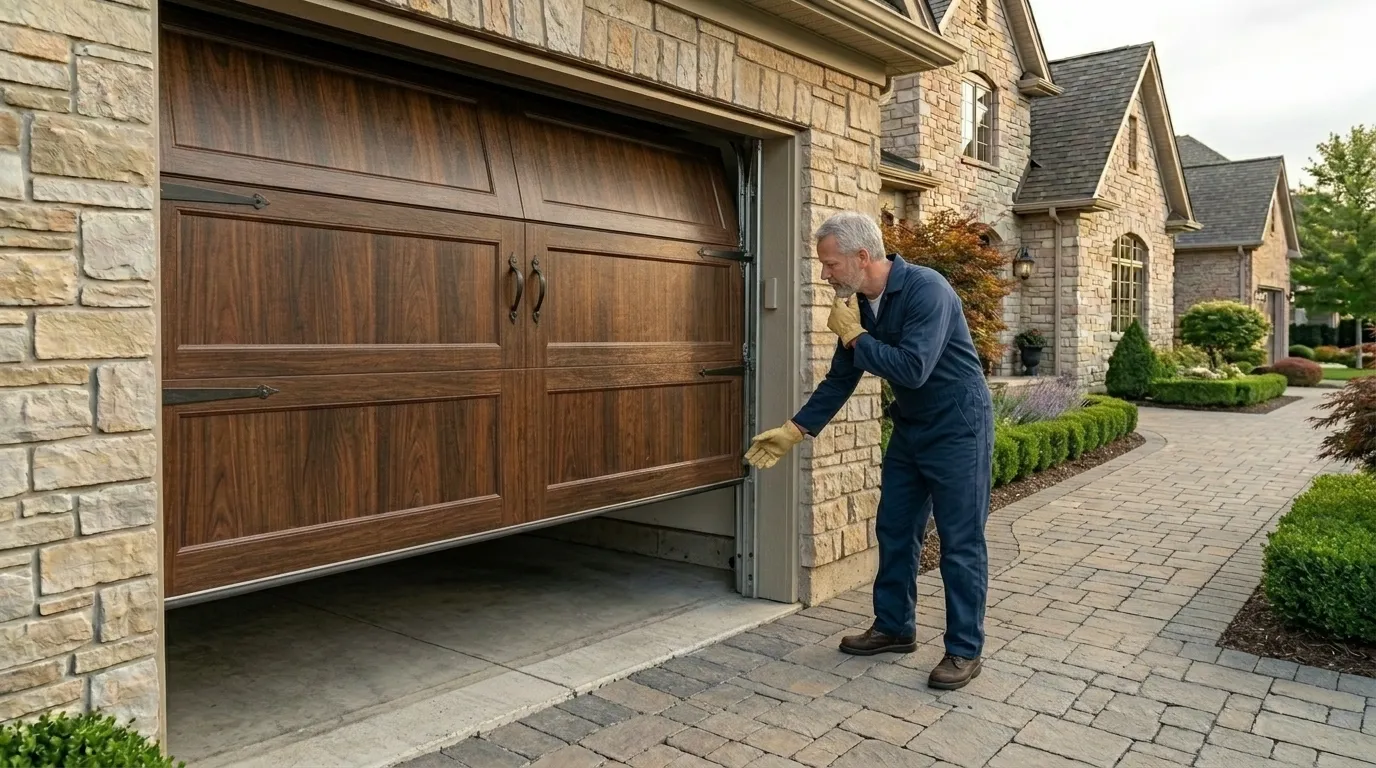
The mistake we see most on houses from this era is treating a noisy door as a lubrication problem when it's actually a tension problem. WD-40 or a general spray on a squeaky roller might quiet it down for a week, but if the noise is coming from a spring that's lost tension after decades of cold-weather cycling, no amount of oil fixes that. The door will keep getting heavier to lift, the opener will keep straining to compensate, and eventually something on the opener's drive gear gives out from doing a job it was never meant to do.
The other common one is ignoring gaps in the bottom weatherstripping because they don't seem urgent. On the 1980s and 90s doors that make up most of the stock here, that seal is often original and has hardened past the point of actually sealing anything. It's not just a draft issue - moisture gets in along that gap, sits against the bottom panel, and starts rust from the inside on steel doors that were never coated for that kind of repeat exposure.
The Problem
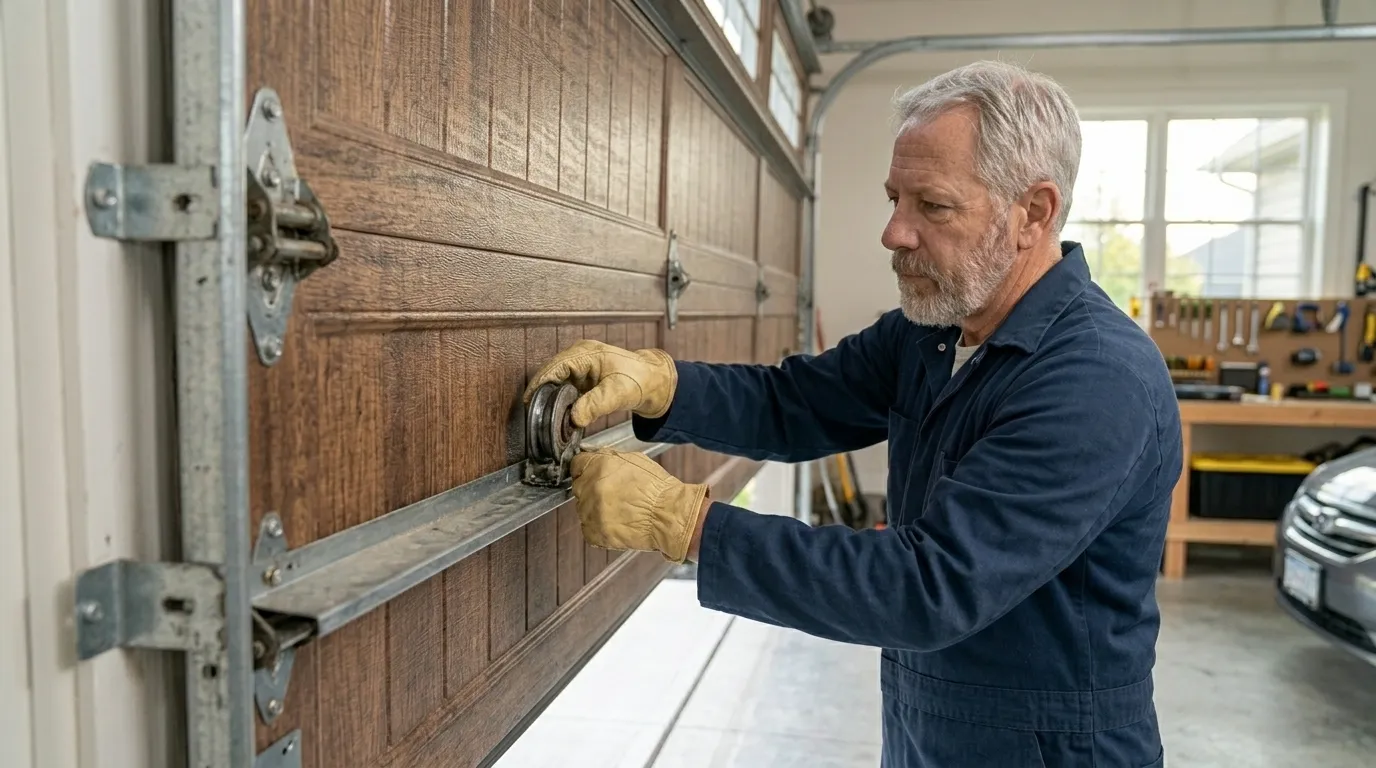
Here's the honest part: on a lot of doors from this build era, the parts that fail first - specific spring wire gauges, some of the older extension spring hardware, certain first-generation opener drive gears - aren't things we can always get quickly, or at all. Manufacturers stopped stocking some of it years ago. When that's the case, patching the original setup isn't always the better move even if it's cheaper up front; a full spring and hardware swap to current components can end up more reliable than chasing parts for a door that's already outlived its intended service life.
With a median household income of $96,725 across the service area, most of the calls we get on doors this age end up being a replacement conversation rather than a repair one, once the owner sees what keeping the original hardware running actually costs over another five winters. That's not a sales pitch, it's just where the math lands on a door built for a different decade's expectations. We'll tell you straight which side of that line your door is on before any work starts.
How We Can Help
Garage Door Repair
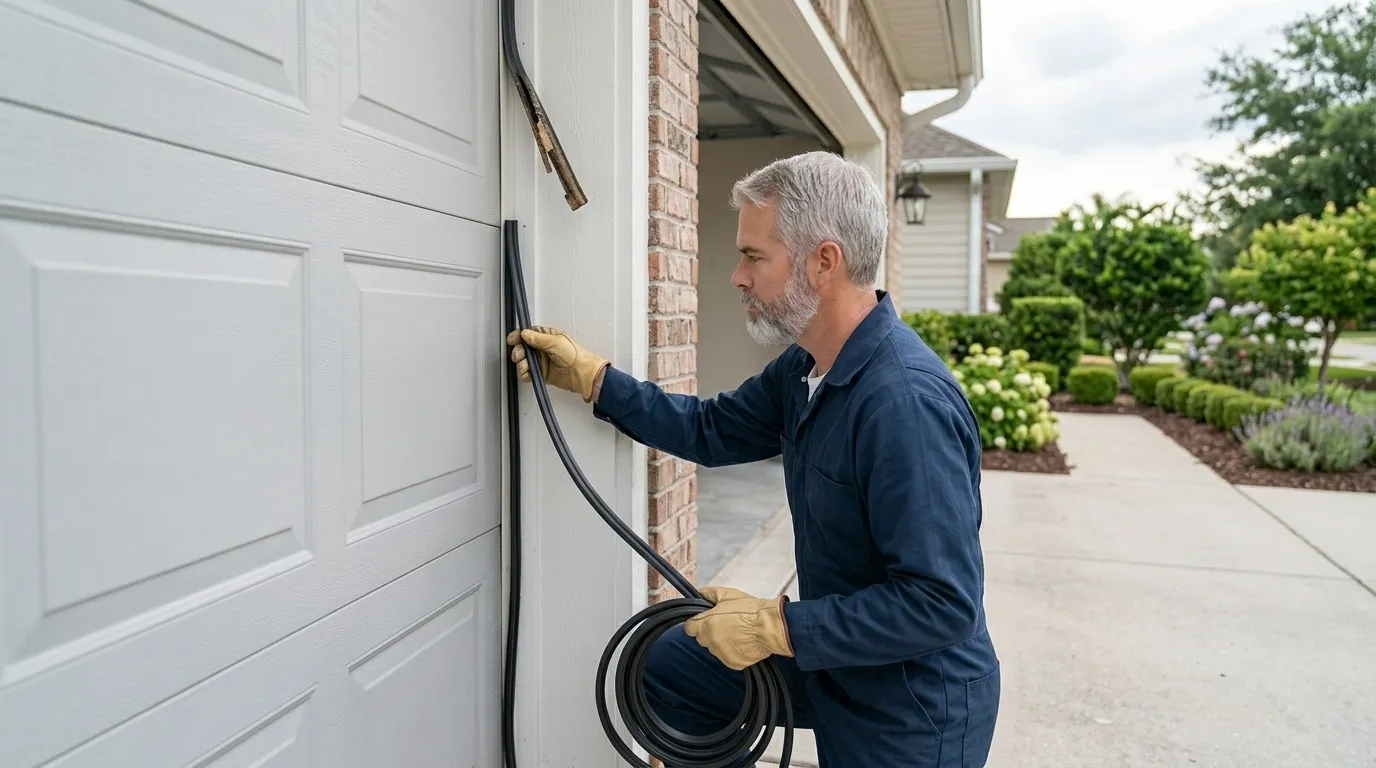
Springs, cables, tracks, rollers, and openers fixed by a tech who explains the problem before touching anything.
Learn more →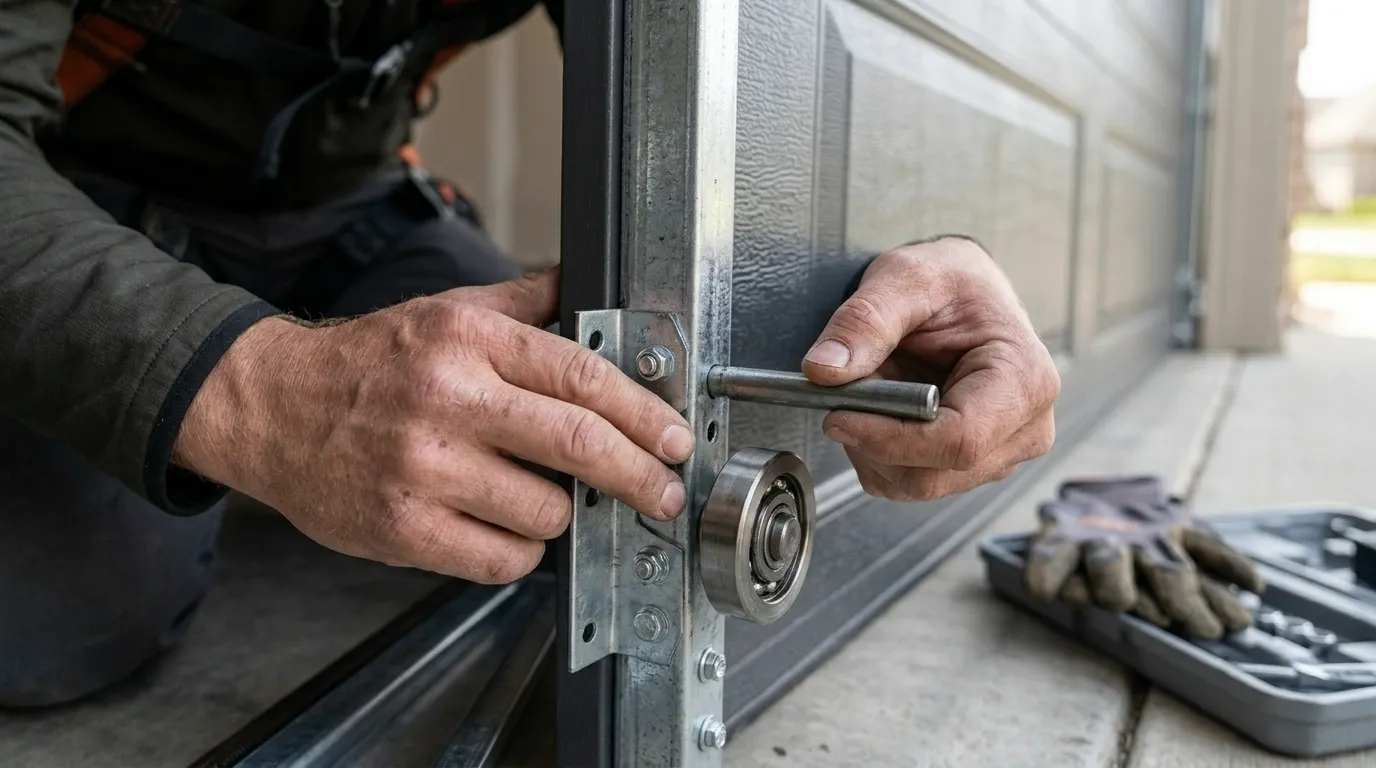
Garage Door Installation
New sectional doors sized and installed for the housing stock actually built in this area.
Learn more →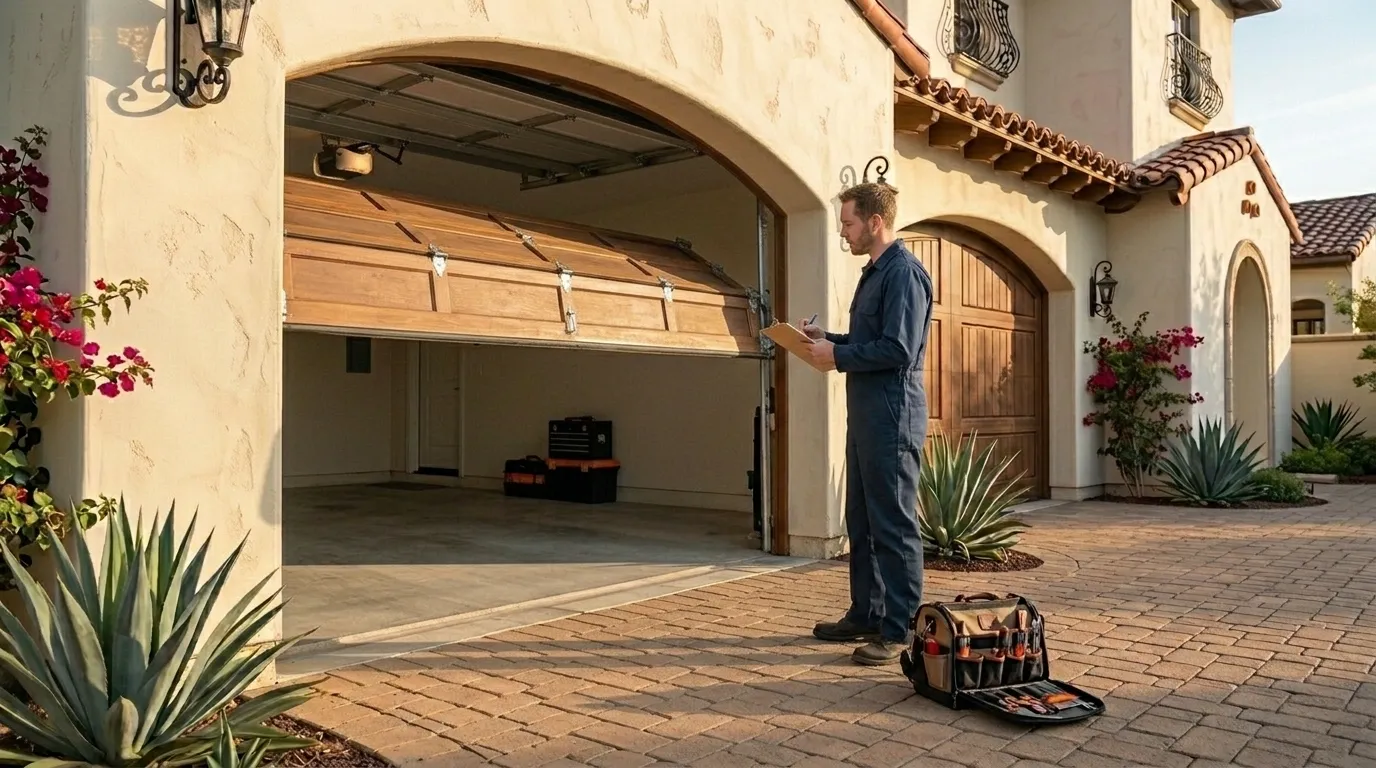
Garage Door Service
Tune-ups, lubrication, and safety checks that catch a small problem before it becomes a service call.
Learn more →Frequently Asked Questions
Why does my garage door get so much harder to lift in winter?
On the 1980s and 90s doors common in this area, cold-stiffened torsion springs lose effective lift power right when the metal is least flexible. Combine that with a track that's shifted slightly from repeated freeze-thaw cycling, and a door that lifted fine in October can feel twenty pounds heavier by January.
Is my original opener from the 1980s or 90s worth keeping?
It depends on how it's failing. If it's just slow or noisy, sometimes a service call sorts it. If it's slipping, reversing randomly, or the drive gear is worn, parts for that generation of opener are often hard to source, and replacement usually ends up the more reliable call.
How do I know if it's the spring or just the cold?
Cold makes a fine spring feel stiffer for a minute after a hard freeze, but it should loosen up once the door's been cycled a couple times. If it stays heavy, or you see a visible gap between coils, the spring has lost tension and cold isn't the real cause.
Have a Door That Needs a Second Opinion?
Call and describe what it is doing - we will tell you what it likely is.